
Signs of an Unhealthy Scalp: Common Symptoms You Should Not Ignore
An unhealthy scalp may cause symptoms such as excessive oiliness, dandruff, itching, dryness, irritation, buildup, scalp odor, and hair thinning. Many Korean hair salons and scalp clinics focus on identifying scalp problems early through scalp analysis and customized treatments because healthy hair begins with a healthy scalp. Proper scalp care, deep cleansing, scalp massage, and professional head spa treatments can help improve scalp condition and overall hair health.
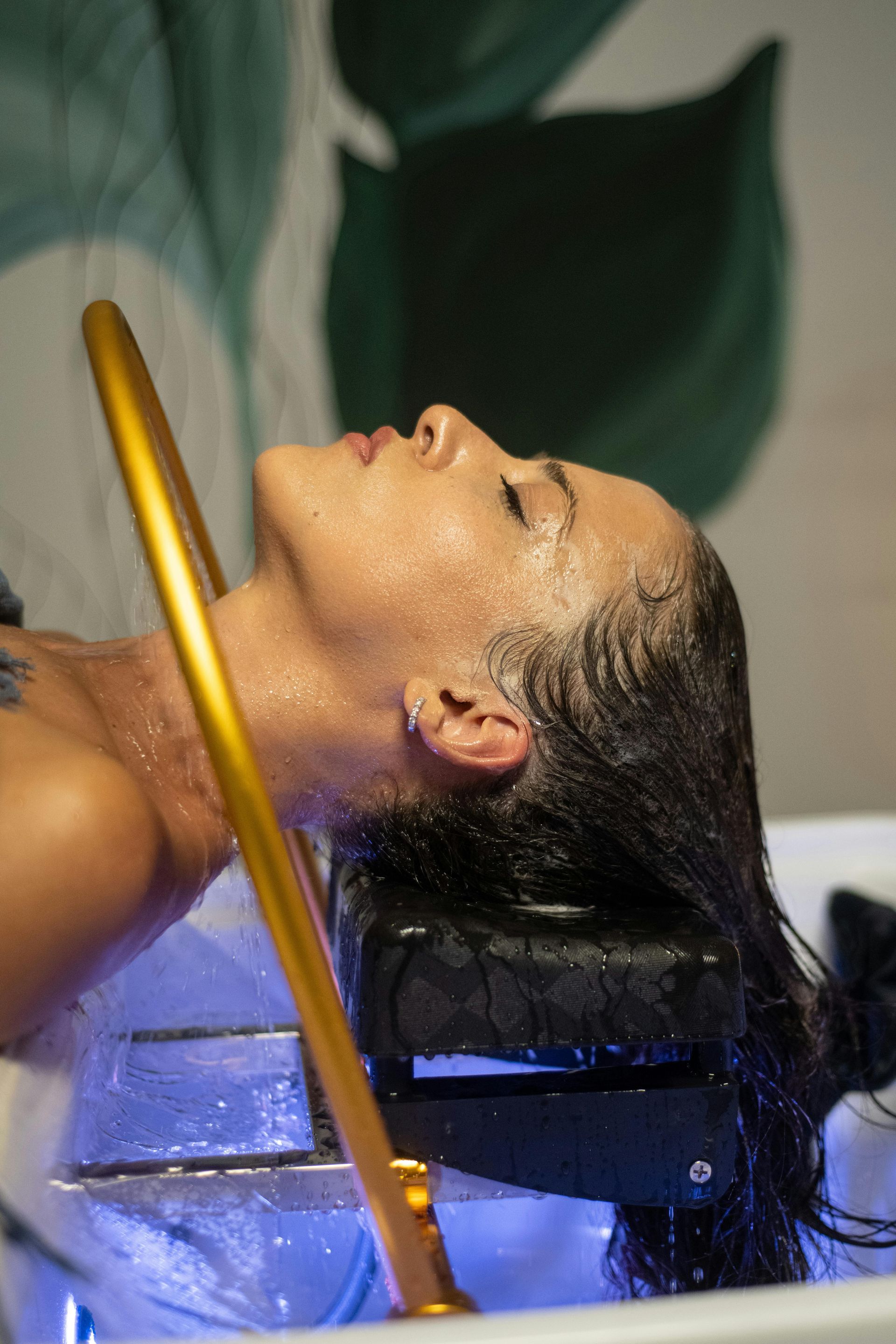
Why Scalp Health Is Important
Many people focus only on hair condition while ignoring the scalp itself. However, the scalp is the foundation of healthy hair growth.
When the scalp becomes unhealthy, it can affect:
- Hair strength
- Hair texture
- Hair density
- Oil balance
- Overall scalp comfort
Korean scalp care culture strongly emphasizes prevention and maintenance because small scalp problems can worsen over time if left untreated.
Most Common Signs of an Unhealthy Scalp
Excessive Oiliness
One of the most common scalp concerns is excessive sebum production.
If your scalp becomes greasy shortly after washing, it may indicate scalp imbalance.
An oily scalp may lead to:
- Flat hair
- Scalp odor
- Clogged follicles
- Increased buildup
- Itching
Excessive oil production can sometimes be worsened by stress, overwashing, or heavy product use.
Dandruff and Flaking
Visible flakes are another common sign of poor scalp condition.
Dandruff may appear as:
- White flakes
- Yellowish buildup
- Dry scalp peeling
- Oily scalp flakes
Mild flaking may result from dryness, while oily dandruff is often associated with excess sebum and buildup.
Korean scalp clinics often recommend scalp scaling and deep cleansing treatments for these concerns.
Persistent Itching
Occasional itching can happen normally, but constant scalp itching may indicate irritation or imbalance.
Possible causes include:
- Product buildup
- Dry scalp
- Excess oil
- Sensitivity
- Inflammation
Scratching excessively can further irritate the scalp and weaken the scalp barrier.
Dry or Tight Scalp Feeling
A healthy scalp should feel balanced and comfortable.
If the scalp feels:
- Tight
- Dry
- Sensitive
- Rough
it may indicate dehydration or scalp barrier damage.
Dry scalp is commonly associated with:
- Overwashing
- Harsh shampoos
- Excessive heat styling
- Environmental dryness
Scalp Redness or Irritation
Redness may be a sign of scalp sensitivity or inflammation.
This can happen due to:
- Irritating hair products
- Excess scratching
- Heat exposure
- Scalp imbalance
Sensitive scalp conditions are very common among people frequently coloring or bleaching their hair.
Hair Thinning or Excessive Shedding
Although hair shedding can occur naturally, excessive hair fall may sometimes be linked to poor scalp condition.
An unhealthy scalp environment can weaken hair follicles over time.
Common related scalp issues include:
- Excess oil buildup
- Poor circulation
- Chronic inflammation
- Scalp tension
Many Korean scalp clinics focus on improving scalp condition as part of hair loss care programs.
Scalp Odor
Scalp odor may occur when sweat, oil, bacteria, and buildup accumulate on the scalp.
This is more common in:
- Oily scalp types
- Humid weather
- Heavy styling product use
Deep scalp cleansing and proper scalp care can help improve scalp freshness.
Heavy Product Buildup
Using excessive styling products without proper cleansing may leave residue on the scalp.
This buildup can contribute to:
- Itching
- Oiliness
- Flaking
- Scalp congestion
Professional scalp scaling treatments are popular in Korean salons for removing buildup deeply.
What Causes an Unhealthy Scalp?
Many factors can affect scalp condition.
Common causes include:
- Stress
- Poor cleansing habits
- Overwashing
- Heavy product use
- Pollution
- Hormonal changes
- Heat styling
- Lack of scalp exfoliation
Lifestyle factors can also influence scalp health significantly.
How Korean Salons Diagnose Scalp Problems
Many Korean scalp clinics and premium salons use scalp analysis systems.
These systems examine:
- Sebum levels
- Dryness
- Follicle condition
- Dead skin buildup
- Scalp redness
- Hair density
Scalp analysis helps salons customize treatments more accurately.
Best Ways to Improve an Unhealthy Scalp
Deep Scalp Cleansing
Professional cleansing helps remove excess oil, buildup, and impurities.
Scalp Scaling
Exfoliation treatments help clear dead skin cells and unclog scalp pores.
Scalp Massage
Massage may improve circulation and relieve scalp tension.
Hydration and Moisture Care
Dry scalp conditions often improve with proper moisture-focused scalp treatments.
Stress Management
Stress can worsen many scalp concerns including oiliness and hair shedding.
Popular Korean Scalp Treatments
Korean Head Spa
Combines:
- Scalp cleansing
- Massage
- Steam therapy
- Relaxation care
Hair Loss Scalp Care
Focuses on scalp circulation and scalp balance.
Scalp Detox Treatment
Designed for oily scalp and buildup removal.
Sensitive Scalp Care
Targets dryness, irritation, and scalp barrier support.
When Should You Consider Professional Scalp Care?
You may benefit from professional scalp treatment if you experience:
- Ongoing dandruff
- Excessive oiliness
- Hair thinning
- Persistent itching
- Scalp discomfort
- Heavy buildup
Many Korean salons recommend regular scalp maintenance before problems become severe.
Can Improving Scalp Health Improve Hair Quality?
Yes. A healthier scalp environment may support:
- Stronger hair
- Better hair texture
- Improved shine
- Reduced breakage
- Better scalp comfort
This is why scalp care has become a major part of Korean beauty and wellness culture.
Is Professional Scalp Care Worth It?
Professional Korean scalp treatments are popular because they combine:
- Advanced scalp analysis
- Deep cleansing
- Relaxation therapy
- Customized care
into one experience.
For many people, regular scalp care improves both scalp comfort and overall hair condition over time.